5 Common Freebie Funnel Mistakes (And What To Do Instead)
So you're ready to build a freebie funnel. Or maybe you already have one out there in the wild. Either way? You're in the right place.
When you're first getting started with online business, there's so much you don't even know you don't know. And that's completely normal.
In the beginning, a lot of people (myself included) just need to get something up and out there to start building momentum. Done is better than perfect, right?
Absolutely. But once you've got that “done” version out there, it's worth taking a quick look to see if any common issues are holding it back from actually working for you.
I see the same five mistakes over and over—on brand new funnels and on ones people launched months ago in a “just ship it” sprint.
None of these are anything to be ashamed about. They're just things that happen when you're learning as you go. But the good news is that they' all have simple fixes.
Let's walk through these common mistakes so you can either avoid them from the start or quickly fix what's already out there.
What are the most common freebie funnel mistakes?
The five most common mistakes are: making your opt-in page too long, asking for too much information on sign-up forms, skipping the thank you page, ghosting new subscribers after delivery, and not testing your funnel before launch. Most of these happen because you don't know what you don't know when you're starting out—but they're all easy to fix once you spot them.
Affiliate Disclosure: This post contains affiliate links, which means I may earn a small commission (at no extra cost to you) if you choose to purchase through them. I only recommend products and services from people I know personally and that I genuinely believe will help you build your business.
Table of Contents
Mistake #1: Making Your Opt-In Page Way Too Long
Your freebie opt-in page is not a sales page.
(If you are working on a sales page – grab my free guided checklist for the 5 Core Elements of a High-Converting Sales Page.)
People who land there have already been at least partially convinced that they want what you're offering. They clicked from a blog post, a YouTube video, a Pinterest pin, or someone's recommendation. Some convincing has already happened to get them there.
They don't need you to sell them again. They need to see the form, feel confident about what they're getting, and grab the freebie.
Why Length Actually Matters Here
A long opt-in page can feel like work. And most people aren't going to read a novel just to get a free checklist. They're there to make a quick trade: their email for something useful. Respect that moment.
Sure, there's been some convincing to get them to click, but they're ready to act now. You can include a little copy for people who like to skim before committing, but don't make them scroll through your entire life story.

The golden rule: Your form should be above the fold. That means visible without scrolling (on desktop, people are a little more ready to scroll on mobile but don't make them go far).
If people land on your page and have to hunt for where to actually sign up, a lot of them will bounce before they ever find it. Give them a clear headline, a short benefit statement, and the form right away.
How to Keep It Short and Effective
You can absolutely include some copy for the skimmers and skeptics. A brief description, a few benefit bullets, maybe one testimonial if you have it. But remember: this is a freebie. They're not buying anything yet. They're just opting in.
What to include:
- A headline that clearly states what they're getting and the outcome
- 2-3 sentences or a short paragraph explaining the benefit
- An eye-catching image or mockup of the freebie
- Quick bullet points if it helps clarify what's inside
- The form, prominently placed at the top
- Maybe one testimonial or trust element if you have it
Note: The form doesn't have to be the last thing on your opt-in page. If you feel like your freebie needs more copy or other elements to sell it, go ahead and add them. But place them below the form and then make sure there is a button to go back to the form if they would have to scroll to get back.
What to skip:
- Your entire origin story
- Every single thing the freebie contains in exhaustive detail
- Multiple calls to action that confuse the next step
Test your page on mobile. Most people are browsing on their phones, and if they can't see that form without scrolling forever, you're losing sign-ups.
Your opt-in page keeps it short because people are just grabbing a freebie. But when it's time to sell? That's a whole different animal. Grab The 5 Core Elements of a High-Converting Sales Page to learn wabout this differences.
Mistake #2: Asking for Way Too Much Information
Asking for a ton of personal details on your sign-up form is one of the fastest ways to kill your conversion rate.
People don't know you yet and people are wary of giving out too much of their personal info to folks they just met (as well they should).
They're trading an email for something helpful, not applying for a mortgage. The longer your form, the sketchier it feels.
The Trust Barrier Is Real
At this stage, your visitor is curious, not committed. Every field you add makes signing up feel like more of a hassle. And the more personal the question, the more it feels like a trap.
They don't trust you yet, and that's completely normal. So keep it simple.

Stick to the Absolute Basics
Ask only for what you need to deliver the freebie and personalize your emails at the most basic level.
What to ask for:
- First name
- Last name (you'll thank me later)
- Email address
That's it. Seriously.
What NOT to ask for (at least not yet):
- Company name
- Job title
- Phone number
- Website URL
- Annual revenue
- Biggest challenge
- Literally anything else
Save the deeper questions for later, once they've seen your value and you've built some credibility. If your freebie happens to be a quiz, you can still collect the basics upfront and let the quiz questions do the rest of the work.
The goal here is to remove friction. A short form feels safe and fast, which builds early trust. A long form feels like you're asking for too much before you've proven yourself.
Mistake #3: Skipping the Thank You Page
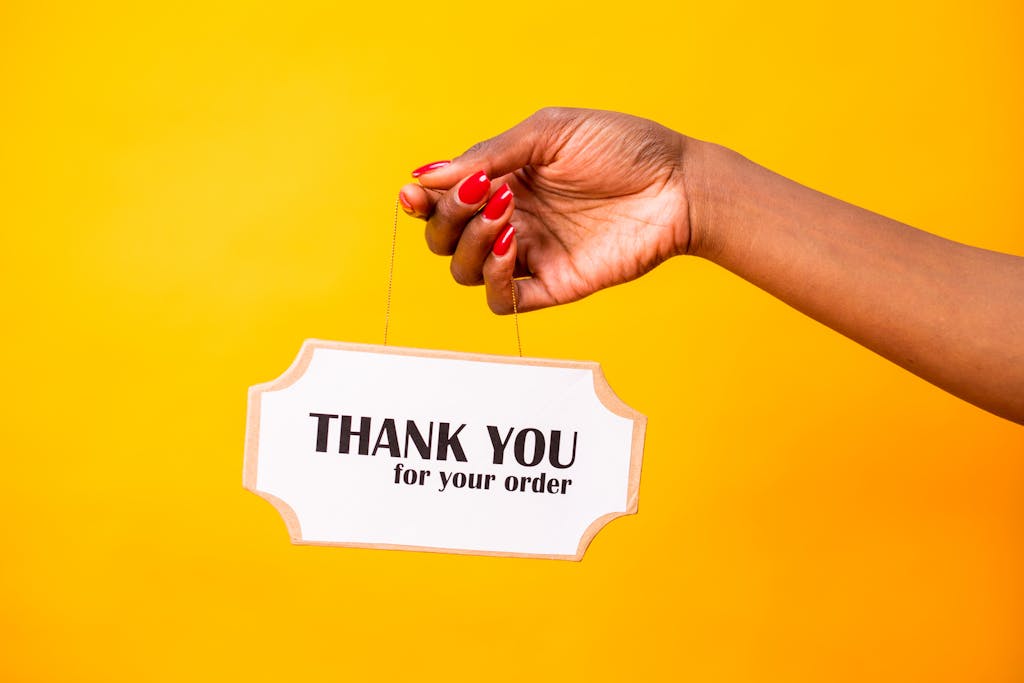
A lot of people just show a bland form confirmation message and call it done. That's a huge missed opportunity.
Your thank you page is valuable real estate, and it sets the tone for everything that comes next.
Why It's Actually Essential
The thank you page confirms that the form worked. It tells your new subscriber that their email was received and the freebie is on its way. Without it, people can feel confused or wonder if they need to try again. Or worse, they just lose interest.
A dedicated thank you page also gives them a sense of progress. They took action, something happened, and they're in the right place. That feeling matters.
Building the Relationship Right Away
Use your thank you page to thank them for trusting you, set clear expectations about what happens next, and give them something helpful to do while they wait for the email.
What your thank you page should include:
- A warm, genuine thank you (they just gave you their email—acknowledge that!)
- Clear instructions to check their inbox for the freebie
- A specific next step that keeps them engaged
Helpful next steps you could offer:
- Invite them to join your community or Facebook group for ongoing support
- Point them to your YouTube channel for related videos and tutorials
- Link to a related blog post that adds even more value on the topic they care about
- Anything else that builds on the momentum of the freebie and puts more of your (helpful and relevant) content in front of them
The idea is to stay top of mind and keep being helpful. They already trusted you enough to give you their email, so be a good host and show them around a bit.
Want ongoing support while you build your funnels?
Speaking of helpful next steps, if you're tired of figuring this stuff out alone, come join the Elevated Funnels Club. You'll get access to templates, tutorials, support, and a community of people who are building alongside you.
Mistake #4: Ghosting Your New Subscribers
Delivering the freebie is just the beginning, not the end.
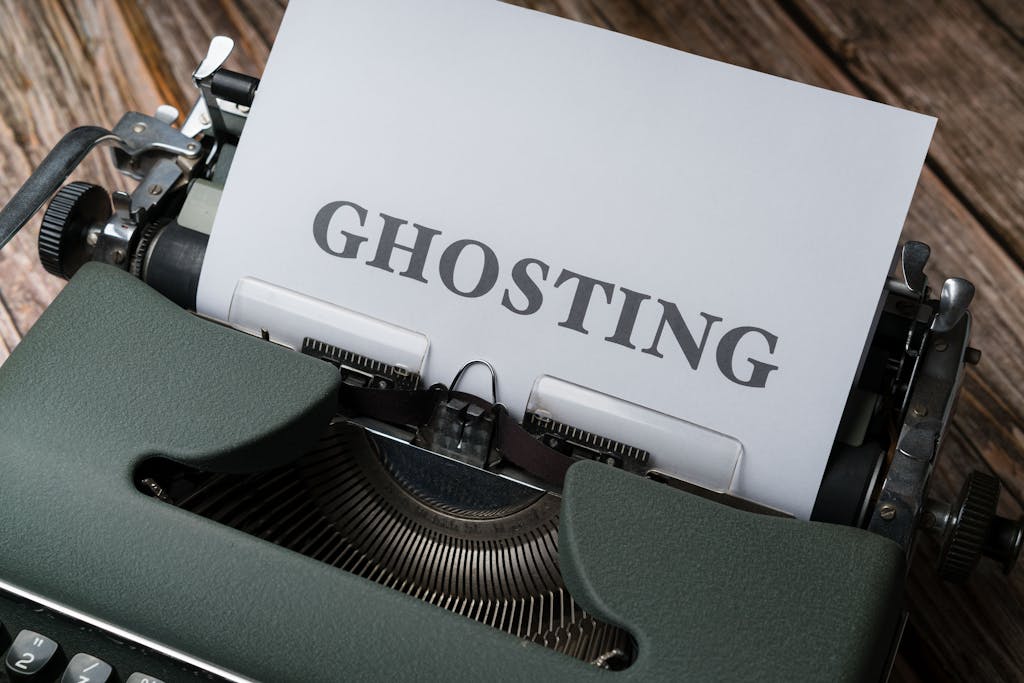
If you send the download link and then disappear for three weeks, you're ghosting your new subscribers. And just like in dating, ghosting makes people forget about you real fast.
Why Follow-Up Actually Matters
People expect a little guidance after they get something new from you. If you help them get results with what you just gave them, they'll keep opening your emails. If you vanish, they won't.
You worked to earn that opt-in. Now you need to keep the connection alive.
Nurturing with Real Value
Create a short follow-up sequence that stays useful and human. Don't just send random newsletters and hope they remember who you are.
A simple but effective follow-up flow:
Day 0: Deliver the freebie immediately (obviously)
Day 1-2: Send a quick check-in with a tip on how to use the freebie or get results faster
Day 3-4: Ask how it's going and invite them to reply with questions
Bonus points if you point them to another useful freebie. Giving them something else for free will display your generosity and genuine desire to see them succeed.
Then funnel them into your regular welcome sequence if they're brand new to your world. Tell them about you, yes, but focus more on how you're going to help them and what they can expect from being on your list.
Make it about them. Help them use what they signed up for. When you do that, your list stays engaged and way more likely to buy when you eventually have something to sell.
Mistake #5: Not Testing Before You Launch
Nothing kills momentum like a broken funnel.
If people can't actually get the freebie, they're not coming back. You just spent time creating the freebie, building the pages, writing the emails, and promoting the link. Don't flush all that effort by skipping the test run.
Why Testing Is Non-Negotiable
A form that doesn't work or an email that never arrives means no delivery. No delivery means no trust. And if they don't get what you promised, you'll probably never see them again.
The fix is ridiculously simple: test it before you send traffic.
How to Actually Test Your Funnel
Run through the entire funnel yourself like you're a brand new subscriber. Then ask someone else to do it too, preferably on a different device and email provider.
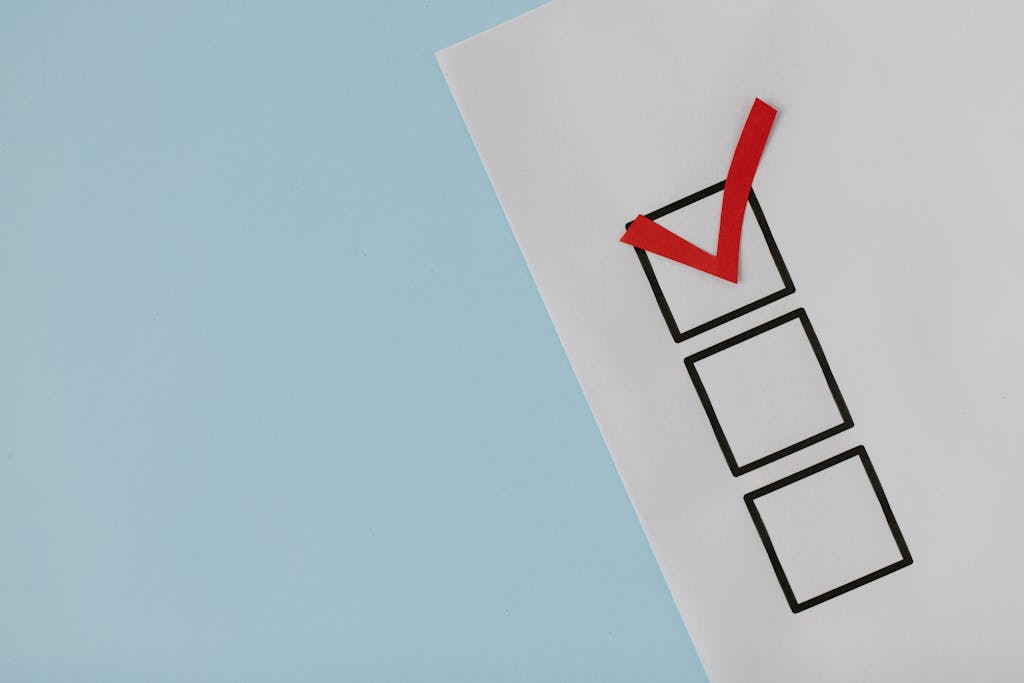
Your testing checklist:
- Sign up using a fresh email address you don't normally use
- Make sure the thank you page loads correctly with all the right links
- Check that the freebie delivery email arrives quickly (within minutes, not hours)
- If your freebie requires them to sing into a platform, test it in an incognito window so you don't gain access just because that platform already knows you
- Verify that follow-up emails send on schedule
- Click every link to make sure nothing's broken
- Ask a friend or teammate to test it independently and give you feedback
Fix any hiccups, then go live. A working funnel doesn't have to be fancy. It just has to be dependable. That's what your subscribers need from you.
A quick note about the platform I use: I run my entire business on Subtrio, an all-in-one platform that handles email, funnels, websites, CRM, and more.
It's saved me from juggling six different tools, and the support is genuinely incredible—private community, weekly office hours, fast help desk responses, and tons of templates to get you started.
Check it out if tech overwhelm is getting you down or you're tired of duct taping your business together.
Your Pre-Launch Checklist
Before you hit publish and start driving traffic, run through this quick checklist. It'll save you a lot of headaches.
✓ Is the form visible without scrolling (on desktop)?
✓ Are you only asking for first name, last name, and email?
✓ Does a real thank you page load with a clear next step?
✓ Do the delivery and follow-up emails send within minutes of sign-up?
✓ Have at least two people outside your immediate circle tested the whole thing end-to-end?
If you can check every item, you're ready to send traffic. If not, fix what's broken first.
Key Takeaways
A simple funnel that works beats a fancy funnel that doesn't. Every. Single. Time.
These five things aren't complicated, but they make a huge difference in whether people actually sign up and stick around. Get them right from the start, and you'll save yourself a lot of head-scratching later.
Now go build that fabulous freebie funnel.
Want ongoing Support while you build your funnels?
Join the Elevated Funnels Club for templates, training, live office hours,
and a community of creators learning to build alongside you.
FAQs

Hey Everyone! I’m Jess
I love to help female entrepreneurs build sales funnels without the tech overwhelm. I believe in keeping things simple, testing what matters, and skipping the stuff that doesn't.
One Comment